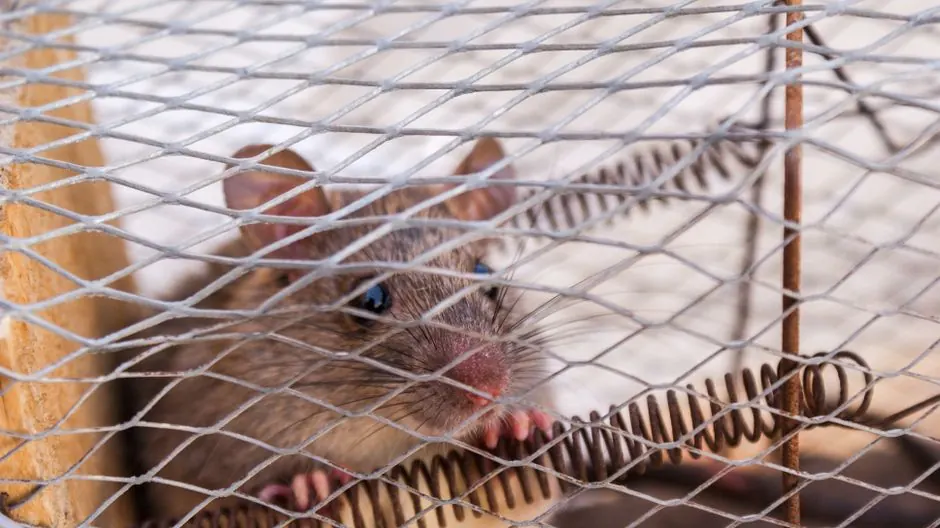
New Hampshire homeowners should regularly inspect their basements for pests, as these areas can be prone to infestations. This month, focus on eleven key areas to ensure your basement remains pest-free.
New Hampshire basement pest control is a proactive approach to preventing infestations and addressing common issues found in basements. This guide outlines what to check for pests in a New Hampshire basement.
What is New Hampshire basement pest control?
New Hampshire basement pest control involves identifying and managing pests that thrive in damp and dark environments. Effective control measures help prevent infestations and protect your home's structure.
1. Inspect for Water Intrusion
Water intrusion is a significant issue in many New Hampshire basements. Check for leaks around pipes, walls, and windows. Standing water can attract pests like mosquitoes and rodents. If you notice persistent water issues, consider professional rodent control in New Hampshire to address potential infestations. Moisture-related pest issues are also common in Manchester, where routine basement inspections can help identify small problems before they develop into larger infestations.
2. Check for Cracks and Gaps
Inspect the foundation walls for cracks and gaps. These openings can serve as entry points for pests. Seal any gaps with caulk or concrete to prevent pests from entering your basement.
3. Look for Signs of Mold
Mold can indicate excessive moisture and attract pests. Look for discoloration on walls and ceilings. If mold is present, address the moisture source and clean affected areas.
4. Monitor Humidity Levels
High humidity can create an inviting environment for pests. Use a dehumidifier to maintain humidity levels between 30-50%. This helps prevent mold growth and deters pests. Maintaining proper indoor moisture is one of the most effective ways to discourage pests and mold, and guidance on controlling humidity in basements can help homeowners reduce long-term moisture problems.
5. Examine Entry Points
Check windows, doors, and vents for proper sealing. Install screens on windows and ensure doors close tightly. This will help keep pests out while allowing ventilation.
6. Inspect Storage Areas
Basements often serve as storage spaces. Regularly check boxes and containers for signs of pests. Store items in airtight containers to protect them from infestations. Cluttered storage spaces can provide ideal hiding places for pests, and this is a concern many property owners address in Nashua as part of their regular home maintenance.
7. Look for Common Pests
Common pests in New Hampshire basements include spiders, rodents, and cockroaches. Look for droppings, webs, and signs of nesting. Identifying these pests early can prevent larger infestations.
8. Seal Food and Waste Containers
Ensure that any food or waste stored in the basement is sealed tightly. This prevents attracting pests. Dispose of garbage regularly and keep containers clean.
9. Maintain Proper Ventilation
Proper ventilation helps reduce humidity and prevents pest infestations. Ensure vents are clear and functional. Consider installing vents if your basement lacks airflow.
10. Check for Pest Traps
If you have previously set traps, check them regularly. Replace or relocate traps as needed to ensure effectiveness in capturing pests.
11. Schedule Regular Inspections
Scheduling regular pest inspections can help identify issues before they become severe. A professional service can offer tailored advice for your specific basement needs. Regular inspections are equally valuable in Concord, where seasonal changes can increase moisture levels and create conditions that attract basement pests. If treatment becomes necessary after an inspection, it's important to choose pesticides that are registered for the intended use and apply them according to label directions.
Common Mistakes in Basement Pest Control
Many homeowners overlook the importance of sealing gaps and maintaining humidity levels. Ignoring signs of pests can lead to larger infestations. Regular inspections and maintenance are crucial to effective pest control. Before using any pesticide indoors, take time to understand how registered pesticide products are evaluated for safe and effective use and always follow the product label.
When to Call a Professional
If you notice persistent pest problems or extensive damage, it's time to call a professional. New Hampshire Pest Pros can provide expert advice and services tailored to your basement's needs.
Frequently Asked Questions
What pests are common in New Hampshire basements? Common pests in New Hampshire basements include rodents, spiders, cockroaches, and mold. Each of these pests thrives in damp environments.
How to keep your basement pest-free in New Hampshire? To keep your basement pest-free, regularly inspect for moisture, seal gaps, and maintain proper ventilation.
What to look for when checking a basement for pests in New Hampshire? Look for signs of moisture, droppings, webs, and cracks. Regular checks can help catch infestations early.
How often should I inspect my basement for pests? Inspect your basement at least once a month, especially during warmer months when pests are more active.
Can I handle pest control myself? While DIY methods can be effective for minor issues, professional assistance is recommended for significant infestations or damage.